
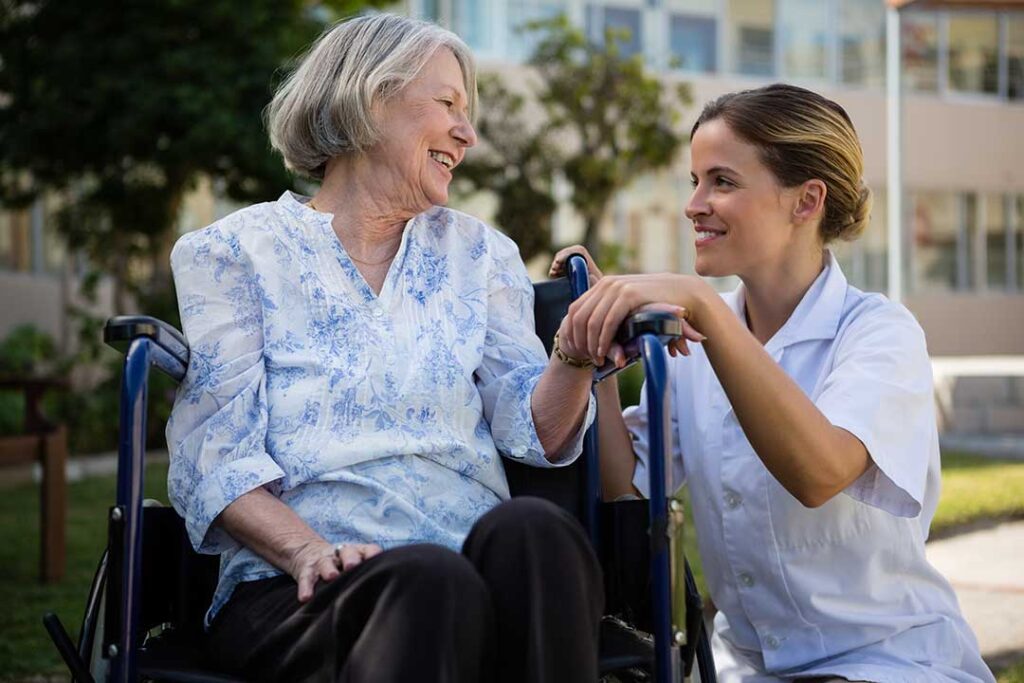
How Can Senior Couples with Different Needs Stay Together in Assisted Living?
Many couples considering assisted living in Fox Chapel, PA worry about being separated if their care needs become different. In reality, modern assisted living residences recognize the value of keeping couples together and often provide options to ensure both partners receive personalized support without sacrificing proximity or daily life as a couple.
Depending on the unique health and independence level of each partner, communities typically provide flexible rooming, care, and lifestyle arrangements so couples can enjoy as much time together as possible—even if one person requires more intensive help than the other.
What Types of Differences in Care Needs Do Couples Experience?
It's common for couples to have different requirements as they age. For example, one spouse might need mobility support or help with bathing and medication, while the other is fairly independent but prefers prepared meals and housekeeping. Sometimes, one partner develops memory challenges and needs a secure setting, while the other is socially active and enjoys participating in events.
Common differences in needs:
- Physical support for mobility, bathing, or dressing
- Specialized dementia or memory care vs. traditional assisted living support
- Medical management for chronic illnesses
- Temporary rehabilitation after surgery or illness
These differences can emerge gradually over seasons or more rapidly after an event like a fall or health setback, shaping the kind of support each person requires.
How Do Assisted Living Communities Address These Differences?
Assisted living options in this area are designed to accommodate a spectrum of needs within the same household or apartment. Residents can usually share a living space, even if their daily routines or required services differ. Care plans are individualized and may cover different types of daily assistance for each spouse, coordinated to minimize disruption to the couple’s regular life.
Typical approaches:
- Customized care plans for each partner, updated as needs change
- Flexible rooming: couples may choose to share an apartment or in some cases have adjoining spaces
- Access to different activity levels—one can join outings or classes while the other receives on-site therapies
- Integrated medication management that’s distinct for each person
This individualization helps families in Fox Chapel balance connection and safety, particularly as Pennsylvania seasons and local transportation patterns can impact independence, outings, and visits from loved ones.
Will Couples Be Forced to Separate If One Needs Memory Care?
The idea that assisted living means separation is a common misconception. In reality, most communities prioritize keeping couples together whenever possible, using several strategies:
- Couples may remain in their shared apartment with increased staffing or safety measures
- Some settings allow one spouse to participate in secure memory care programs during the day, returning to the shared room at night
- If full memory care is needed, flexible visitation and meal-sharing policies promote daily togetherness
Care teams work with local families to balance routine, emotional wellbeing, and the changes that can accompany progressive conditions. It’s wise to ask specifically about memory care integration when researching local options.
What Are Practical Arrangements for Couples with Different Needs?
Area assisted living residences offer several practical solutions for couples:
- Adjustable care: One spouse may receive help with mobility or personal tasks while the other continues to live more independently.
- Privacy and partnership: Couples can share suites with separate care plans—or, if preferred, have side-by-side rooms for privacy yet easy access.
- Meals and activities: Both can dine together and participate in events, but each chooses their own level of engagement based on preference or ability.
- Visiting routines: If one partner’s needs change significantly, these places usually enable daily visits, joint activities, and shared meals to help maintain the relationship.
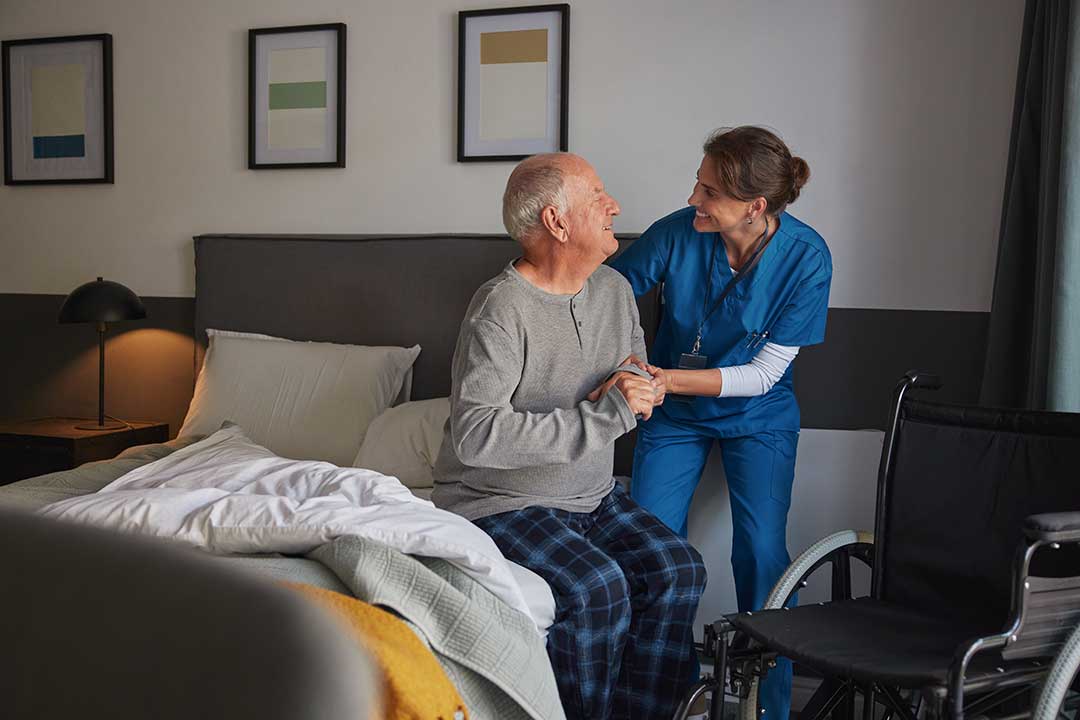
This flexibility helps couples in Fox Chapel continue familiar routines, enjoy favorite hobbies, and remain emotionally connected even as needs change.
How Can Local Families Facilitate Transitions When Needs Change?
Transitioning to assisted living can be smoother if local families discuss preferences early and revisit plans regularly as needs evolve. For couples in Fox Chapel:
- Consider the seasonal climate—ice, snow, or heavy rain may affect outdoor mobility or transportation, so accessibility features in common areas and personal apartments matter.
- Discuss future what-ifs: What preferences exist regarding separate rooms, daytime programming, or memory care?
- Ask about support for visits from local friends or family, as maintaining community ties can ease transitions.
- Update health directives and preferences in writing, especially if one partner’s diagnosis is likely to change over time.
Local staff tend to have experience working with area households and can offer tips on managing transitions within the context of the community’s layout and routines.
What Are Some Overlooked Challenges and Solutions for Couples with Differing Needs?
While assisted living provides much-needed support, couples sometimes face challenges that aren’t obvious at first. These can include differing social interests, feelings of guilt or worry about a partner’s declining health, or difficulty adapting to different daily schedules.
Strategies that help:
- Encourage both partners to pursue interests independently as well as together, allowing space for growth and adaptation
- Use community spaces for shared time—such as gardens, libraries, or lounges—even if one partner tires easily
- Seek regular communication with care teams to adjust care plans smoothly as conditions change
- Acknowledge the emotional aspects of aging and changing roles; support groups (sometimes organized locally) can provide shared understanding
By recognizing and addressing these subtle issues, Fox Chapel couples can preserve dignity, choice, and companionship as long as possible.
